Three of Wall Street’s most closely watched desks have landed on opposite sides of the same oil trade. The gap between them may define how markets move through the next several weeks.
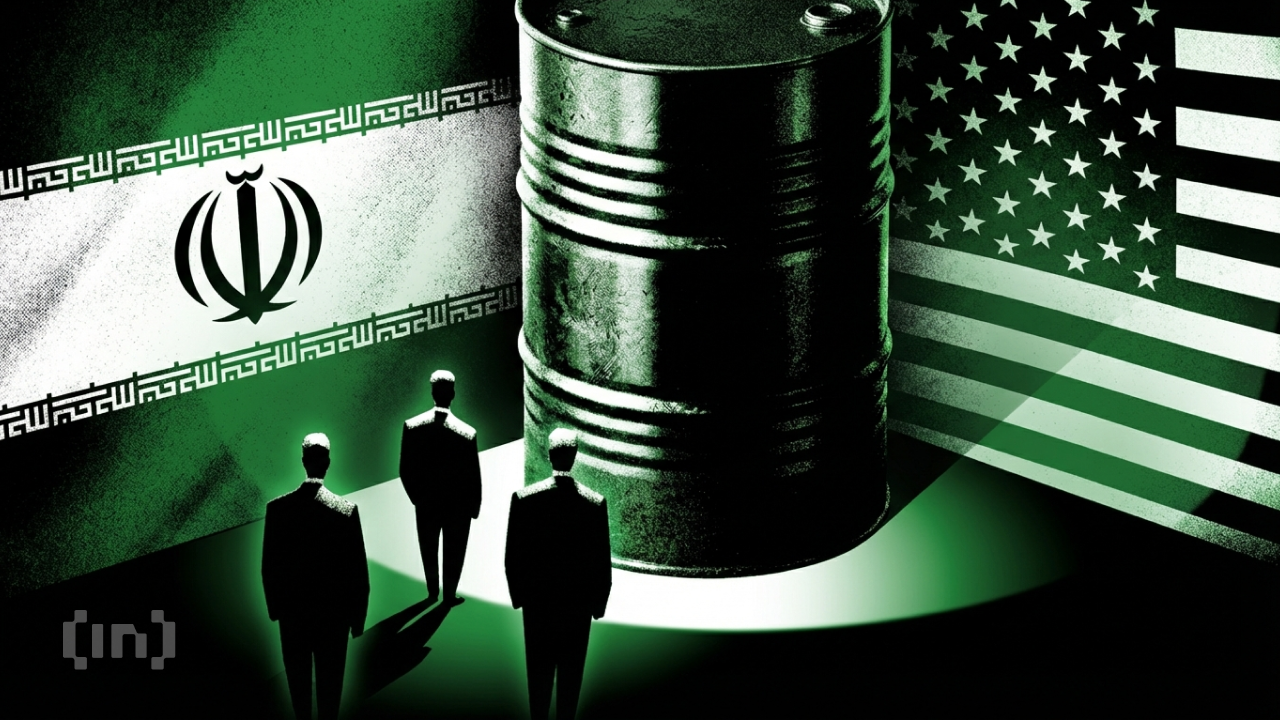
The divergence centers on a single number: $100 per barrel of oil. Whether West Texas Intermediate (WTI) holds above that level or collapses as quickly as it climbed carries direct consequences for equities, inflation, and the Federal Reserve’s rate path into 2026.
The Bear Case: $100 Oil Breaks the Recovery
JPMorgan’s Andrew Tyler put the downside in concrete terms. He warns that the S&P 500 could fall 10% from its peak if the Iran conflict pushes oil above $100 and energy supply risks continue to build.
The structural problem, Tyler noted, is positioning. Investors entered this episode largely neutral on energy, having recently sold oil stocks on expectations of de-escalation. That leaves portfolios exposed with little buffer if the situation worsens.
“Investors are underprepared…the tactical bearish call would end if the conflict is resolved, as macro fundamentals remain supportive,” wrote Deaton, citing Tyler.
His colleague Mislav Matejka expects more short-term pain before any stabilization. However, he sees it as a weeks-long episode rather than a multi-month bear cycle.
Matejka sees a potential market bottom forming this week or next, after which oversold areas (Industrials, semiconductors, consumer discretionary, emerging markets, and the eurozone) could offer entry points.
“Near-term risks remain, especially from oil and bonds. Oil could spike further in the short term, though the move so far is smaller than during the Russia–Ukraine War, while U.S. gasoline prices have already jumped 10–15%,” he said.
Oversold AI hyperscalers and laggards may also see a short-term bounce once the risk-reduction wave clears.
Meanwhile, a third JPMorgan voice added a more structural warning. Phoebe White argued that the oil threat runs in two phases.
- Near-term, rising prices lift inflation expectations.
- Sustained levels above $100 risk suppressing consumer demand and ultimately pulling inflation lower, not higher, while simultaneously undermining the business sentiment recovery that markets have been pricing in.
Here’s The Fed Variable
Barclays added the policy dimension. Jonathan Miller called rising oil prices the single biggest risk to the inflation outlook right now.
The bank still expects the Federal Reserve to deliver two 25-basis-point rate cuts, one in June and one in December 2026. However, they flag oil as the decisive wildcard that could derail that schedule entirely.
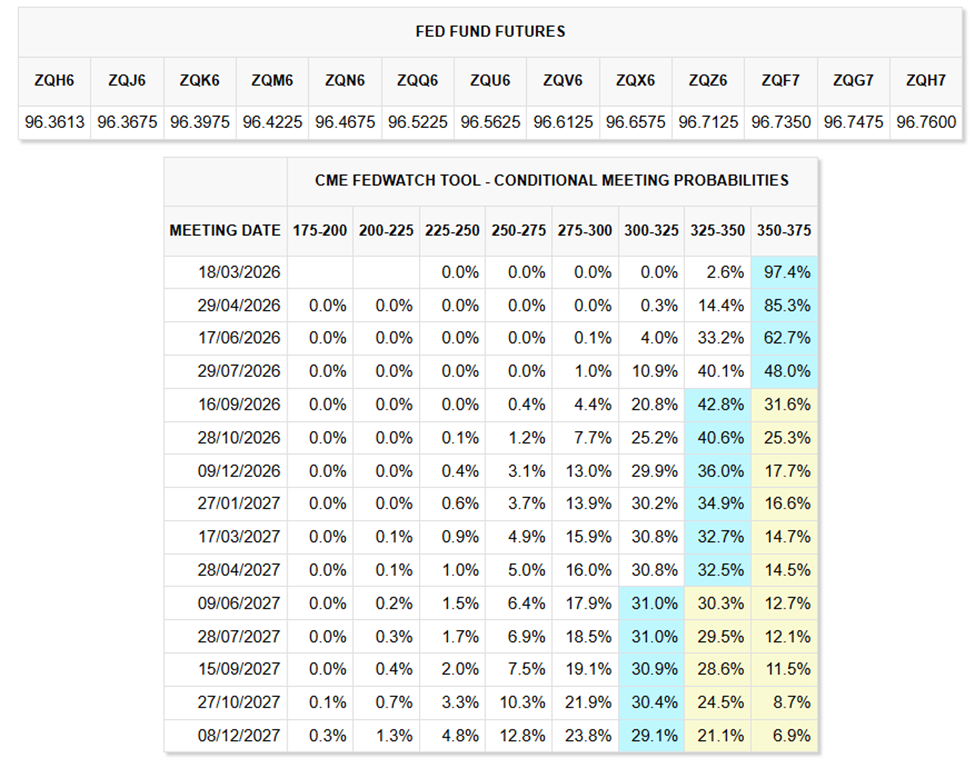
However, data on the CME FedWatch Tool shows bettors wagering the Fed will likely hold rates steady through mid-2026.
Markets are pricing in only 1–2 modest 25 bps cuts by year-end, resulting in a total easing of 25–50 bps for the remainder of 2026.
“A 10% oil rise could lift inflation by about 0.2 percentage points within months. Barclays now sees December 2026 CPI at 2.7%, while recent data still points to a stable labor market and gradually slowing consumer spending,” they wrote.
Notably, that baseline may hold only if energy prices stop climbing. Meanwhile, U.S. gasoline prices have already jumped 10–15%, according to Matejka, a pass-through effect that tends to hit consumer confidence before it shows up in official inflation prints.
The Counter-Trade: Oil Could Reverse Just as Fast
Still, not everyone sees the spike holding. Derek Podhaizer of Piper Sandler offered the sharpest contrarian read.
He pointed out that US oilfield services stocks barely moved despite WTI surging roughly 40% in the prior week. Halliburton fell only about 5%, roughly in line with the VanEck Oil Services ETF (OIH).
To Podhaizer, that muted reaction tells a specific story. Year-to-date gains had already priced in elevated energy expectations. Therefore, producers are unlikely to ramp drilling quickly given prevailing capital discipline.
“If the conflict eases soon, oil could drop as quickly as it spiked, creating downside risk for service stocks,” Podhaizer stated.
The market, in other words, doesn’t believe the spike has legs.
Names exposed in the Middle East are already reflecting that uncertainty. SLB and National Energy Services Reunited have both been hit by risks tied to potential disruptions in the Strait of Hormuz.
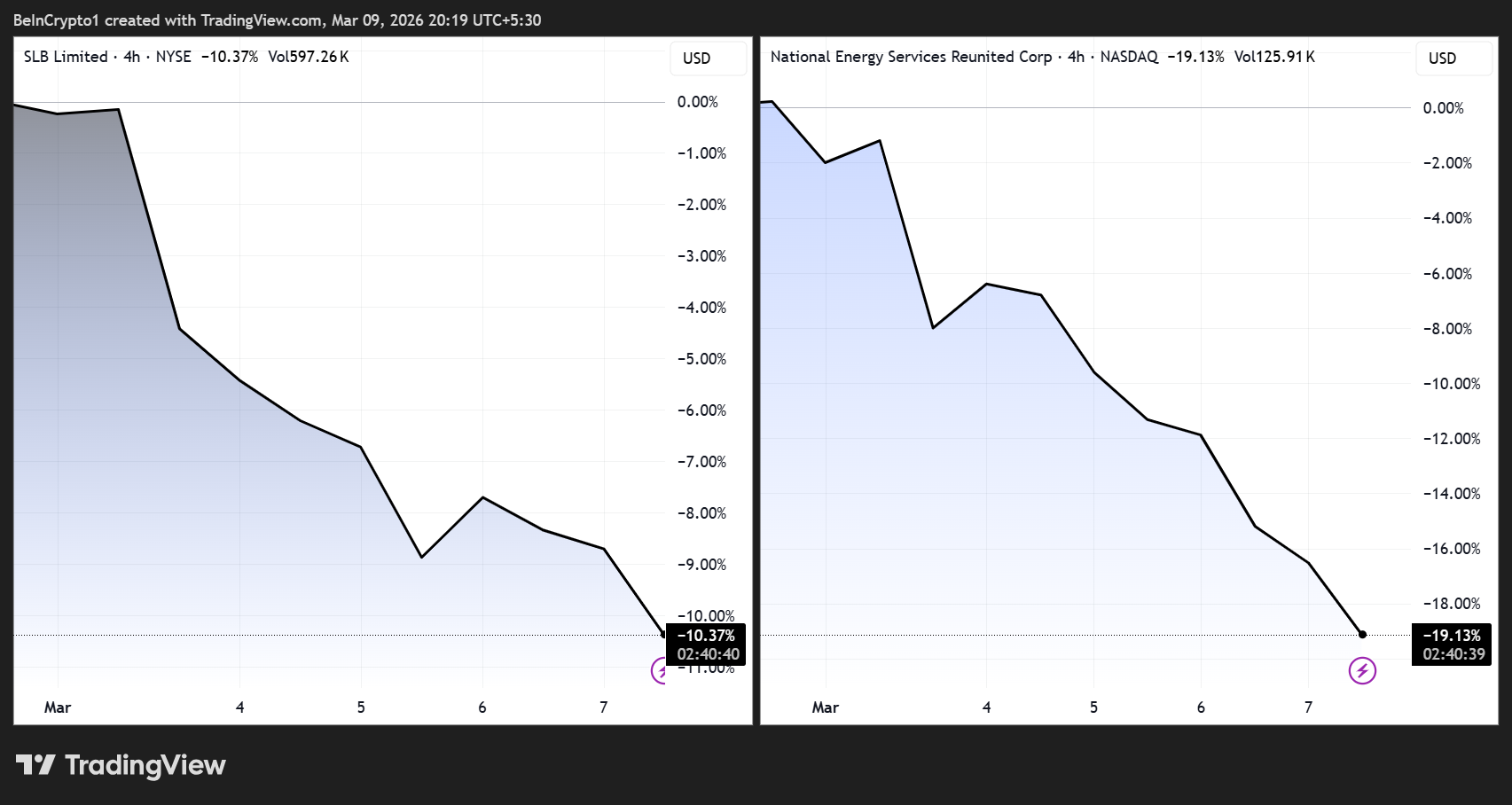
The two readings produce very different playbooks.
- If JPMorgan’s oil-as-macro-shock thesis holds, equity weakness extends, the Fed stays on hold longer than expected, and defensive positioning becomes the trade.
- If Piper Sandler’s reversal scenario plays out, the current selloff becomes the buying opportunity Matejka described. That is, brief, positioning-driven, and ultimately short-lived.
Tyler himself acknowledged as much. He noted the bearish call ends the moment the conflict resolves, given that underlying macro fundamentals remain supportive.
The story, then, is not whether markets are broken. Rather, it is whether geopolitics gives them a reason to recover. The answer to that question sits somewhere between Tehran and $100 a barrel.
Follow us on X to get the latest news as it happens
Subscribe to our YouTube channel to watch leaders and journalists provide expert insights
The post US Oil Shock Has the Wall Street Split appeared first on BeInCrypto.