It was a massive week for the entire cryptocurrency industry, with essentially nothing going its way, and yet bitcoin managed to seemingly weather the storm, especially from the bigger blow – the failure of the CLARITY Act.
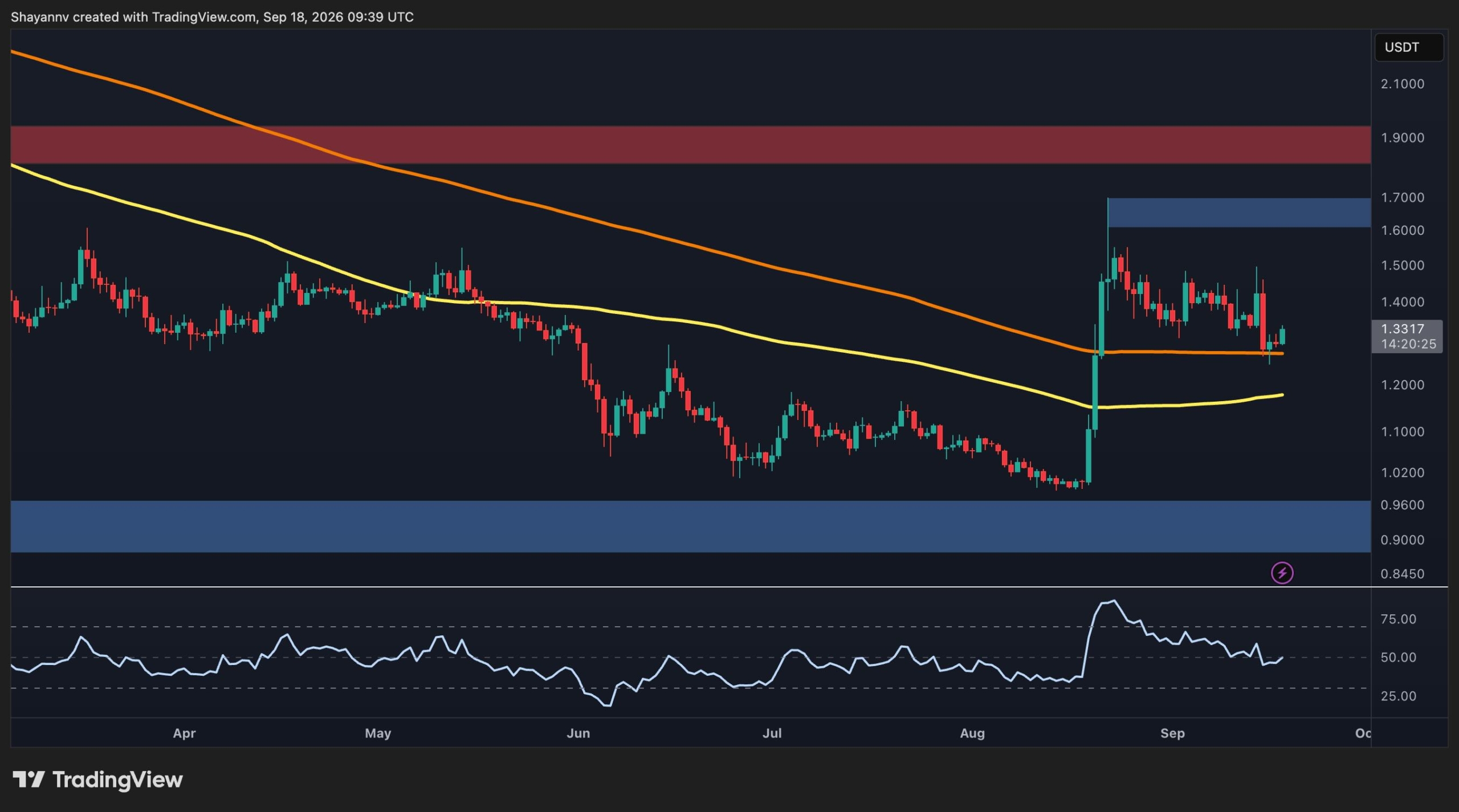
The cryptocurrency’s price dropped to a multi-week low at $75,000 immediately after the US Senate voted against advancing the key bill on September 15, but has since recovered all losses and even exceeded $81,000 on Friday.
Uncertainty; Not a New Crackdown
CryptoPotato reached out to several prominent crypto experts to see what their take is on the vote, which fell short of the 60 senators required to move the legislation forward. Alvin Kan, COO at Bitget Wallet, noted that the result should not be interpreted as Washington reversing its stance on the digital asset industry by imposing new restrictions.
“The CLARITY Act’s failure to advance has preserved the current US regulatory patchwork,” he said.
The legislation’s core idea was to establish clearer boundaries between the SEC and the CFTC and create federal rules covering the crypto markets and intermediaries. Its failure, though, leaves much of that work with regulators instead of Congress.
Kan explained that the vote did not introduce new restrictions on self-custody or self-hosted wallets. However, protections included in the proposed legislation remain without the stronger statutory foundation the bill could have provided. Some of those included provisions covering users controlling their own assets and developers providing non-custodial software.
Bitget Wallet’s COO argued that continued uncertainty affects smaller companies disproportionately. For instance, recent data from Electric Capital indicated that the US share of global crypto devs has dropped from 38% in 2015 to 19%. The country also captured somewhere between 2% and 5% of centralized-exchange volume growth between 2024 and 2025.
What Comes Next?
The CLARITY Act is not technically dead, as a procedural vote by Senator Thom Tillis preserves the possibility of reconsideration, although the legislative calendar makes passage this year increasingly difficult. Meanwhile, the two main regulatory bodies in the country are expected to continue using their existing authority.
The SEC already moved this week to introduce a five-week exemption facilitating certain tokenized-stock trading, showing that regulatory development can continue even without Congress, something that Bitwise’s CIO predicted.
Iliya Kalchev, Nexo Dispatch analyst, commented on BTC’s price reaction, indicating that the $3,000 drop to $75,000 should not be dismissed easily. However, the subsequent rebound shows that the vote was “already priced in beforehand, as markets treated a failed vote as the likely outcome for weeks; so this looked more like confirmation than surprise.”
“The US has already shown it will legislate crypto piece by piece when the politics allow it, and there is little reason to think market structure ends up the permanent exception,” he concluded.
The post Bitcoin Survived the CLARITY Act Setback: What Happens Next? appeared first on CryptoPotato.