
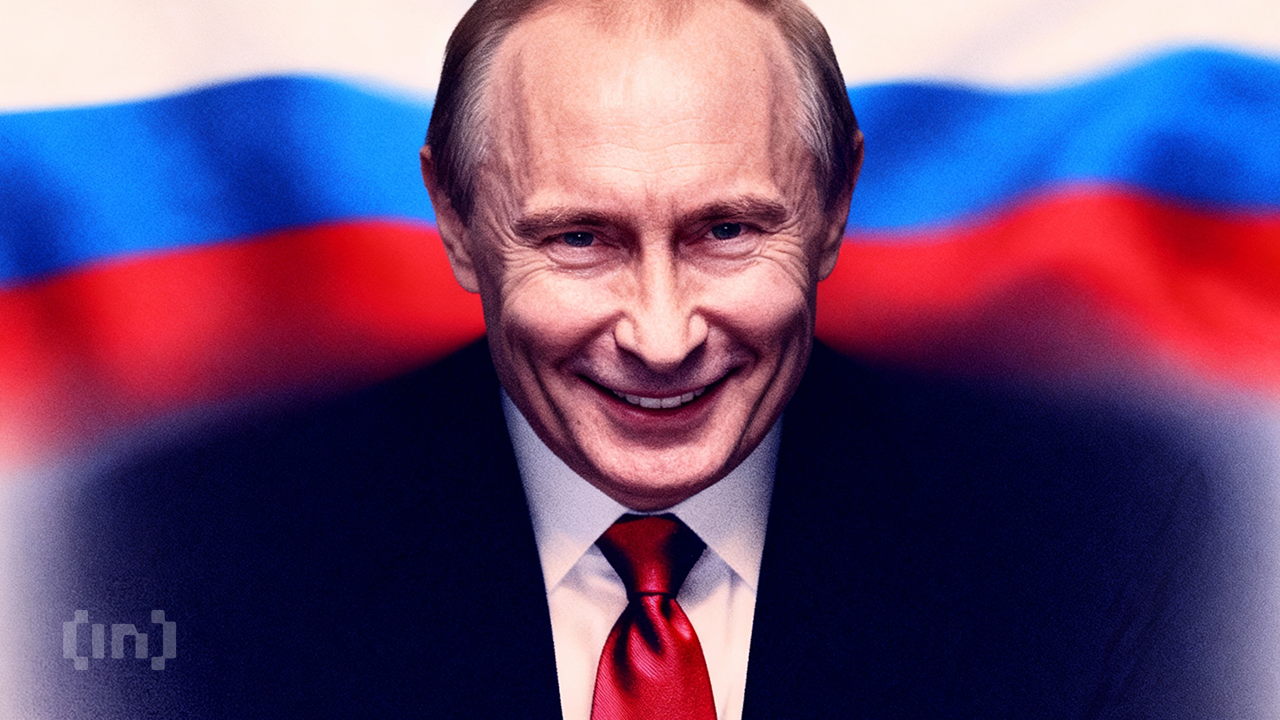
According to local reports, Russia’s central bank is re-examining its long-standing opposition to stablecoins. First Deputy Chairman Vladimir Chistyukhin said the Bank of Russia will conduct a study this year on the feasibility of creating a Russian stablecoin.
Previously, Russia had consistently opposed plans for a centralized stablecoin. However, Chistyukhin said foreign practice now warrants a renewed assessment of risks and prospects.
Moscow Reopens the Stablecoin Debate
The shift signals a strategic rethink rather than an immediate policy change. Still, the timing is notable.
Over the past year, the United States passed the GENIUS Act, establishing a federal framework for payment stablecoins.
The law formalized 1:1 dollar backing and reserve transparency requirements.
As a result, US-backed stablecoins have gained institutional legitimacy and expanded their footprint in cross-border payments and digital asset settlement.
At the same time, the European Union has accelerated work on a digital euro and MiCA-compliant euro stablecoins led by major banks.
European policymakers have framed these efforts as necessary to preserve monetary sovereignty and reduce dependence on foreign digital currencies.
Against that backdrop, Russia risks falling behind in the race to shape digital monetary infrastructure. Stablecoins now function as core liquidity rails in global crypto markets and, increasingly, in trade settlement.
If dollar and euro-backed tokens dominate cross-border flows, Russian entities could face deeper reliance on foreign-regulated instruments.
Sanctions Pressure and the Sovereignty Question
Moreover, sanctions and restrictions on Russia’s access to traditional payment networks add urgency.
A domestically controlled stablecoin could, in theory, provide an alternative settlement mechanism for international partners willing to transact outside Western systems.
Even exploring the concept signals that Moscow recognizes the geopolitical dimension of stablecoin infrastructure.
However, risks remain substantial. A Russian stablecoin would require credible reserves, legal clarity, and trust from counterparties. Without transparency and liquidity, adoption would be limited.
For now, the Bank of Russia is studying the issue, not endorsing it.
The post Russia Reconsiders Stablecoin Ban Amid US and EU Pressure appeared first on BeInCrypto.